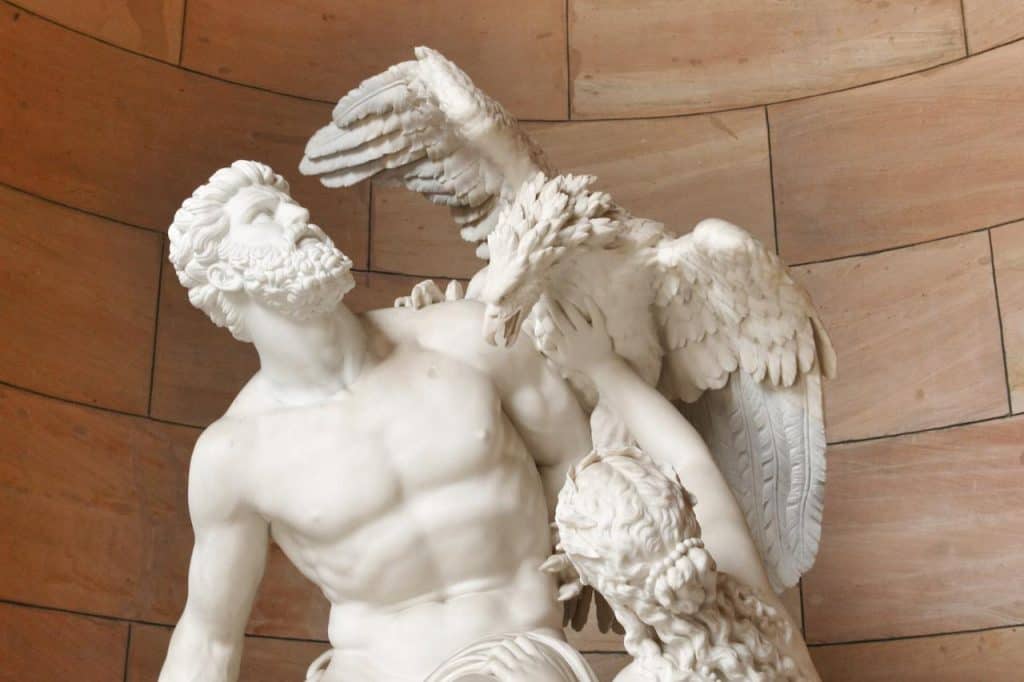
Each piece in the collection can tell you about a particular time period and what was happening at that time, and this allows us to better understand Germany’s past — and its future.
The art gallery in Munich offers a lot of insight into the development of the German art scene. It is located in the center of the city and has plenty to offer. The first floor is dedicated to works from the 20th century, while there are also many diverse exhibitions on display upstairs.
The museum is free to visit, making it an ideal place for tourists who want to get a feel for German history through their paintings and sculptures. It’s also easy enough for locals who are looking for something new to see when they’re bored with museums like Pinakothek der Moderne or Stadtmuseum Munchen (Munich City Museum).
If you’re interested in learning more about artists like Max Beckmann or Otto Dix, then this museum can help you do so by providing information about their work and allowing visitors access to original copies of their paintings if possible!
It was originally founded by King Maximilian II of Bavaria
- It was originally founded by King Maximilian II of Bavaria.
- The gallery was originally called the Bavarian National Museum and opened in 1849.
- In 1882, it was renamed the Bavarian State Painting Collections.
There are less than 100 pieces from the Middle Ages
The Alte Pinakothek, the oldest of Munich’s two art galleries, houses art from the Middle Ages and Renaissance periods. There are less than one hundred pieces from this period in its collection but they are all stunning. The museum has a small collection of medieval paintings including several by Hans Holbein the Younger who was active in Augsburg during his career. It also includes some sculptures such as a 15th-century Madonna by Veit Stoss (1440–1533).
If you visit Germany for any length of time then visiting an art gallery or two should be on your list. The Alte Pinakothek is definitely worth seeing if you have time while there.
The collection grew significantly when Germany unified
When the collection was first established, it focused primarily on German art from before the French Revolution. However, after German unification in 1871 — and particularly following World War I and World War II — the collection grew significantly. Today, it includes works of art from all over Europe, including Italy and France. The majority of these pieces are not just paintings but also sculptures and graphic works (such as drawings). The collection has become so large that it has its own museum: known as the Alte Pinakothek (Old Painting Gallery), this building is located near other beautiful buildings like the Hofgarten park where you’ll find statues galore!
The Gallery during World War II
The Gallery was damaged in a fire, which caused it to close for a time. The collection was moved to safety before the bombing of Munich in 1943. When the war ended, the Gallery reopened with its new name and location at Ludwigstraße 19.
The building was restored after World War II with help from British architect Sir Edwin Cooper (1882-1976). It now houses an impressive collection of Baroque art as well as works from artists such as Paul Klee and Lovis Corinth.
At the end of World War 2, as the world was beginning to rebuild itself, Munich’s Art Gallery became a refuge for art that had been looted or destroyed during the war. It wasn’t long before artists who had been persecuted by the Nazis were able to show their work in this gallery again. Unfortunately, even though these works were now being shown at an old Nazi stronghold, they still weren’t safe from being stolen and looted again. Some of them would never be returned!
Artists living in Nazi Germany were largely excluded from showing their work during that period, but some managed to have their work included due to political connections.
One of the most significant losses to Munich’s art collection occurred during WWII, when the Nazis stole it from its original owner. The theft was so extensive that it took years for German officials to fully understand what had been lost. What is known is that this story began in 1933 with a highly valuable collection of prints and drawings that belonged to an aristocrat named Cornelius Gurlitt. After Gurlitt died in 1956, his son inherited his estate — but he also inherited some dark secrets about his father’s past.
When Adolf Hitler came into power in 1933, this wealthy man found himself suddenly at odds with the new regime; he was Jewish and had fled Germany when Hitler came into power because he feared persecution by Nazi authorities. He took refuge first in Switzerland and then Italy before finally settling down comfortably in France as a refugee from war-torn Europe. At one point during World War II, this wealthy man sold off pieces from his own private collection — a decision motivated by financial necessity rather than any ideological affinity for Nazi ideology or politics (considering that he had already fled Germany). Later on after fleeing France due to rising tensions between neutral nations like Switzerland and Nazi-occupied territories like France, Gurlitt accepted an offer from Goering’s deputy Hermann Göring himself: “You are now called upon,” wrote Göring in 1942 through his intermediary Karl Haberstock (who was also an art dealer), “to send me all works of art which belong either directly or indirectly” to him personally.”
Every piece can tell you a story if you ask the right questions
You know what they say: it’s not what you know, but how much you know that matters. This is especially true when it comes to art. Just like all other forms of expression, there are many ways to interpret paintings and sculptures based on your own experiences and background. By taking time to read about each artist’s life before starting your visit, for example, will give context for why they created specific works at certain times in their lives — which may have influenced how others perceived them later down the line!
Conclusion
In the end, it is up to you to decide what you think of this art gallery. We hope that we have given you enough information so that you can make an informed decision about whether or not this museum is worth visiting while in Munich. If nothing else, we hope that it has piqued your curiosity and made you more interested in German culture.

