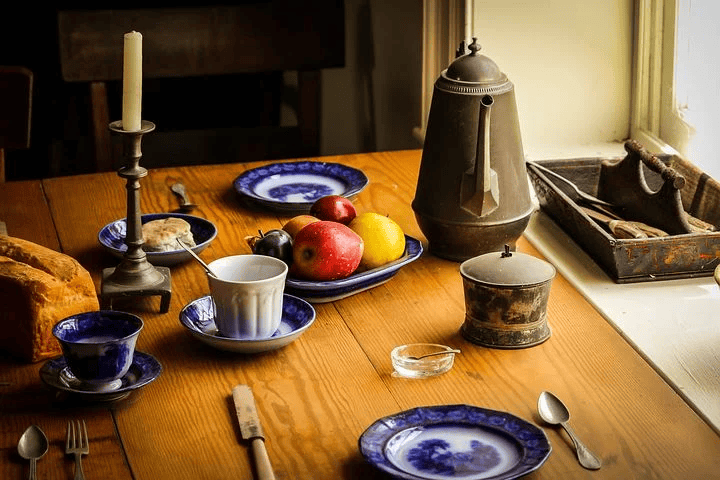
An interactive museum is a new word in modern museum technology. The exhibits of the interactive museum are not objects, but dishes, recipes, and technologies of different cuisines. All exhibits can be used, read, made, or eaten. The museum aims to preserve and develop the living heritage of centuries-old culinary culture. And today I will talk in detail about 5 popular museums. Let’s go!
Museum of Wine (La Cité Du Vin Bordeaux)
France
One of the most modern and unusual wine museums in the famous wine-making region of Bordeaux. Definitely worth a visit. An unforgettable journey into the multifaceted world of wine waiting for you – through the centuries, through all the continents, through 20 thematic spaces of the museum which has a stunning futuristic design. A true audio-visual adventure is offered by the exposition, which demonstrates the role of this divine drink in art through excerpts from operas, excerpts from ballets, old table songs and famous paintings. It is breathtaking to get a bird’s-eye view of 20 wine regions in 17 countries. Don’t miss your chance to learn what the six families of wine are, how soil and climate affect the taste of the end product, how the grapevine conquered the Old and New World after its appearance in the Caucasus.
Perhaps the most interesting exposition is about the mystical way grapes turn into wine. The secrets of winemakers from all over the world will be exposed: you’ll learn everything about the metamorphosis of grapes, from harvesting to bottling. The final highlight is a visit to the belvedere observation tower, which offers a stunning panoramic view and the opportunity to taste wines from around the world.
Frietmuseum
Bruges, Belgium
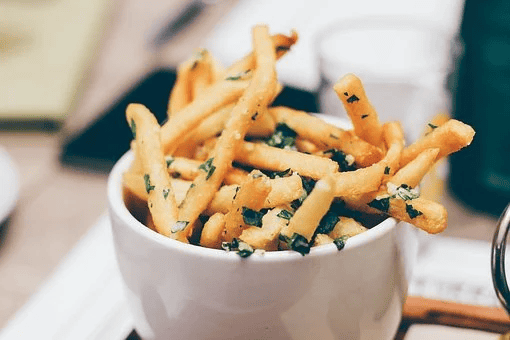
If you’ve had enough of the romance of the fabled medieval Bruges, it’s time to switch to something a little more prosaic: french fries. Belgians claim that this famous dish that has conquered the whole world, appeared in their country in the 16th century and is an as important part of national cuisine as legendary chocolate. There’s a fight all over the world to become the motherland of chocolate, but the potatoes are even more interesting!
The building where the museum is located in one of the oldest and most beautiful in the city. On the first floor, there is an exposition showing the history of the potato, which began to be cultivated in Peru 10,000 years ago, the root crop’s arduous journey to Europe, historical events and personalities connected with the vegetable, and a variety of varieties and species. And in the second, you can learn how to cook this beloved, flavorful golden garnish in different countries. For example, real Belgian fries should be the right length – no more than 10 cm, and they should be lowered into the boiling fryer twice: the first time to fry the potatoes inside, and the second time – to give the slices a seductive crust. By the way, according to the Belgians, the ideal deep fryer is melted beef fat, which, of course, is never reused.
Gelato Museum Carpigiani
Bologna, Italy
Bologna is home not only to Europe’s oldest university but also to bolognese sauce, mortadella sausage, and even tortellini. Bolognese cannot yet scientifically prove their authorship of the famous dessert, but they have already opened an ice cream museum. Genuine Italian gelato is a very special dessert. It has several times less fat, and, amazingly, two times less air than ice cream we are accustomed to. Therefore, gelato has an unusually delicate, velvety-silky texture and melts very slowly.
You will learn many interesting facts from the vast museum exposition (for example, that in Ancient Mesopotamia ice was delivered to the table of rulers from 100 kilometers away, and that in medieval Palermo people used 400 plants to flavor different kinds of ice cream). You’ll see authentic machinery and tools for making sorbet, gelato, and cream ice cream. And you will understand exactly why Italians consider ice cream making not as a craft, but as a special skill consisting of two “ingredients” – science and art in equal proportions. And then you’ll taste the magical delicacy or even make it yourself (we offer master-classes for adults and children, with adults being taught to make gelato not only from usual fruits, berries, and chocolate but even from cheese, basil, or wine!)
Museum of the Olive and Greek Olive Oil in Sparta
Sparta, Greece
Modern Sparta, though it has a storied history, is not a touristy place. But if you’re heading to the jewel in the Peloponnese, the ancient and beautiful Mystras, the olive oil museum is definitely worth the visit.
Located in the heart of the Laconia region, one of the main producers of olive oil in the world, the museum illustrates why this product is so important: it was literally at the origin of Greek and the entire Mediterranean civilization, and therefore of humanity. The exhibition shows the role of this truly unique product from prehistoric times to the present day – not only in nutrition but also in cosmetology, medicine, religion, mythology, and art. An entire floor of the museum shows the evolution of means of oil production: from manual presses and horse-powered mechanisms to water, steam, and diesel engines. A separate part of the exposition is devoted to the production of olive soap. By the way, you can buy it directly in the museum.
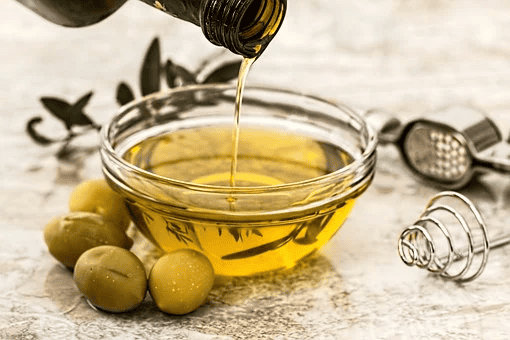
You can taste different kinds of oil, from dark green, bitter-spicy unfiltered to golden, neutral, and soft (and buy the ones you particularly like), in a small but very hospitable store opposite the museum whose name can be translated as “300 Spartan products”.
The Confectionery Museum
Moscow
A small coffeehouse museum is a ten-minute walk from Arbatskaya Metro Station. Here you’ll be told how toffees, fudge, sorbets, and other sweets were sold in the XIX century candy shops, you’ll see how they decorated the windows and labels, – in general, will be introduced to all the subtleties of the candy business, from production to advertising campaigns. Then they will treat you to tea with candies. By the way, there is no typo in the name – sweets were called “candies” up to the beginning of the XX century.
Excursions last 35-40 minutes every day. It is better to sign up in advance by phone or on the website. There are also culinary master classes, concerts, and other events, and you can come in for coffee at any time.
As a result, the recipe departments are constantly replenished in culinary expeditions and archival research. Museums conduct scientific and educational activities, organize master classes, seminars, hold folk festivals, promote the development of culinary tourism. And in the end, I hope that this article was useful to you!

