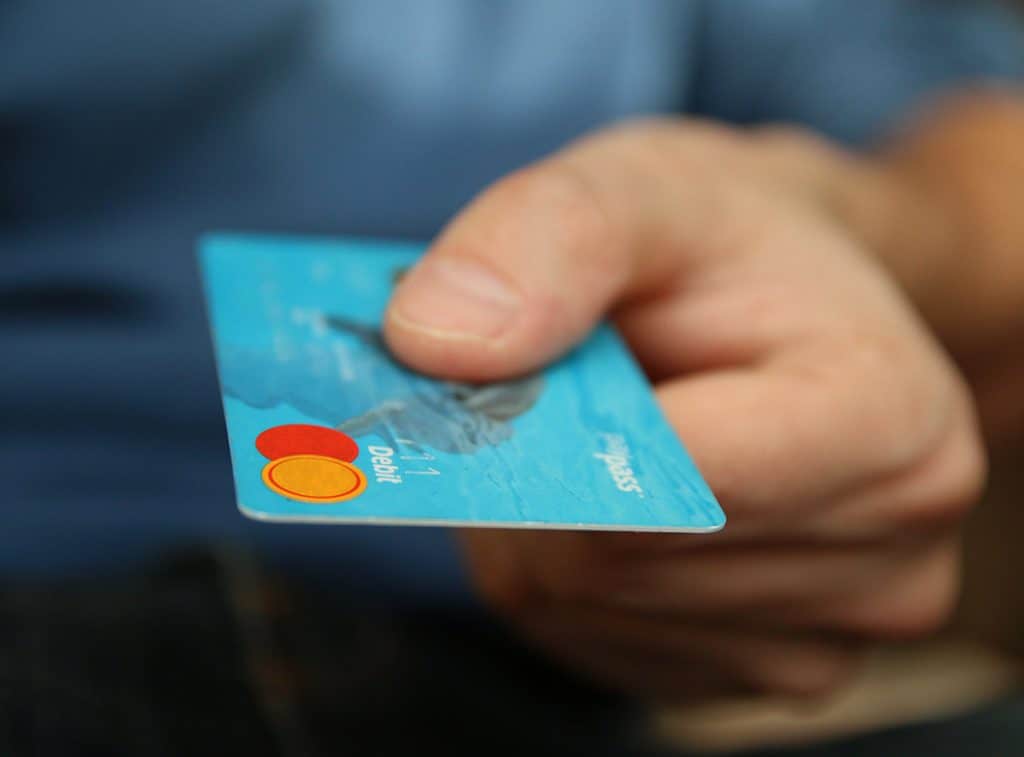
Credit cards can be a great way to make purchases while traveling abroad, but there are also some drawbacks. A credit card also offers a certain amount of protection when making purchases in foreign countries, but it can be expensive to use. Your bank may charge you an international transaction fee every time that you make a purchase because your card is being used outside. There are some banks and issuers who do not have any fees either for using their cards abroad, so check with your issuer before heading out on vacation!
Pros of using credit cards abroad
When you choose to use a credit card, many of your expenses can be covered by the bank. If you have issues with money being taken from the account or if fraudulent charges are made against it, then most banks will cover those costs for you as well through their policies. This is especially helpful when traveling abroad because not all cards work just anywhere and knowing that someone won’t take advantage of this could help ease any worries about using one during travel.
Another advantage of using a credit card abroad is that you can take advantage of any sort of rewards program offered by the issuer. If your goal was to rack up points or miles for traveling, then this will help offset those charges and fees so it’s well worth considering before making the decision! Check for instance jackson hewitt serve card.
If approved, some cards are even designed specifically for international travel – offering no foreign transaction fee as one example would definitely be at the top of our list when planning out how to spend money overseas. These special designs also offer high cash back on purchases made in other countries which could give travelers more spending power while they’re away from home.
Cons of credit cards when traveling abroad
One of the main downsides to using a credit card abroad is that you will be charged an international transaction fee. This can add up after just two or three transactions, and it’s frustrating because this charge came as part of your normal monthly bill without any warning beforehand. Your bank may not even tell you about these charges until they start appearing on your statement. Many people don’t realize how much money they’re losing out on by paying their bills late or simply ignoring them altogether – and those fees quickly pile up!
Another downside to using a credit card is that you will not earn any rewards. If your goal in going abroad was for the sole purpose of earning points and miles, then this defeats the entire point – so it’s something to consider before making your decision. You don’t want to rack up a ton of debt just to get some free stuff back at home!
There are a couple of ways around this, such as opening up an account with the issuer who is located abroad. For example, if you’re going to Europe and don’t want to use your card from home then it would be best to look into local credit cards that have no foreign transaction fee and offer points on purchases made in Euros (or whichever currency you’ll be using). This means that every time you spend money at stores or restaurants throughout your trip, you will earn rewards depending on what type of card you opened up!
Don’t forget to use a credit card with no foreign transaction fee and high cash back! Some of banks offers two miles per $ spent on every purchase, which can then be redeemed as a statement credit towards travel purchases such as flights and hotel stays – so you’re basically getting rewarded for doing what you love anyway.
The third downside of using a credit card when traveling abroad has nothing to do with the plastic itself but rather how it’s processed by American banks overseas. Since they don’t have access to all of this information in real time, transactions that take place at night or over weekends could end up delayed until Monday morning (or even Tuesday!) which could cause an overdraft fee to be assessed if your account is not in the green already.
The same thing can happen with ATM withdrawals, and since these transactions also take place over a weekend it’s even more likely that you will end up with extra charges or insufficient funds fees when everything clears on Monday morning (when banks are open again). This leaves travelers stuck with unexpected expenses such as having to pay for dinner because there wasn’t enough money in their checking account after withdrawing cash.

Final travel tip before you go abroad
The final tip we can offer before you head out on your trip is to keep track of all the charges made against your card so that there aren’t any unexpected surprises when it’s time to pay up. This means making sure you’re keeping an eye on spending and not just using it as a backup method for paying bills while traveling – otherwise, those overage fees might end up costing more than anything else! Also read how to use Credit Card at Restaurants.
Don’t forget: if you do plan on bringing along a credit card then make sure that everything gets paid off by the due date (or even early!) in order to avoid getting stuck with additional expenses. The last thing anyone needs during their holiday is having something like this ruin their experience or take away from what they’ve saved up for – so be sure to keep it in mind while you’re out there!
As a final reminder, this information is not intended as financial advice and should only serve as an example of how having credit cards can impact travel abroad. If you have any concerns about your current card or what would work best when traveling then please contact our office before making the trip.
Conclusion
There are pros and cons to using a credit card when traveling abroad but it all depends on how responsible you can be when carrying one, knowing what fees you’ll incur from making purchases while away from home, as well as understanding about exchange rates which vary based on where you’re at in the world versus where your spending money is coming from back home.

