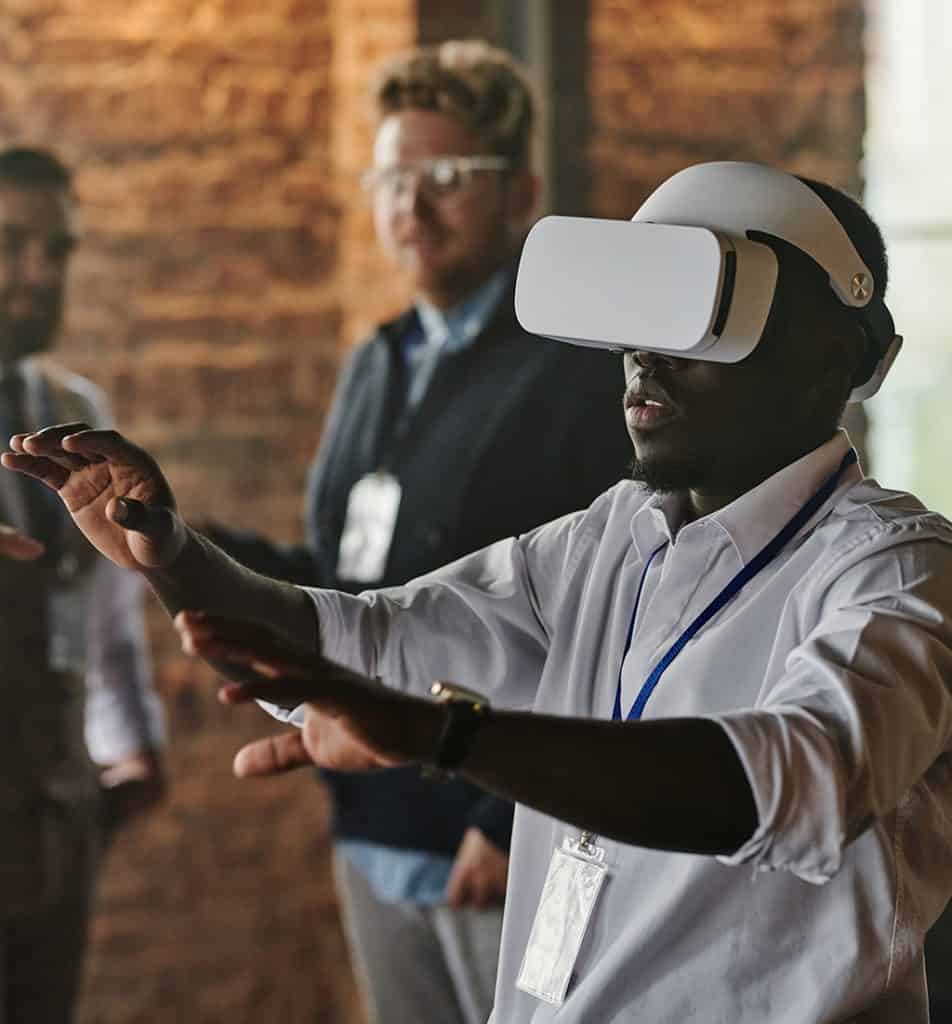
Virtual reality is a new technology that has been around for about 20 years. It has only recently become popular in the past few years, with virtual reality headsets like Oculus Rift and Google Daydream View. The reason why VR is becoming more popular now is because of its ability to immerse people into an experience and make them feel like they are really there. This makes it very appealing to businesses that want to create interactive experiences for their customers. Let’s discuss how business can use VR as a tool to improve travelling exhibitions!
While virtual reality has been around for some time, technological advances have made this technology more accessible than ever before. This means that creative individuals and companies across all industries are finding new ways to harness VR’s potential. One such field where it has become incredibly useful is exhibitions; specifically travelling ones which allow people from different countries or even continents engage with events they wouldn’t normally get access too.
What does VR mean for museums
Museums are always looking to develop new ways of engaging their audiences with the collections they hold by using cutting-edge technologies like virtual reality. There are several possibilities for museums: they could develop virtual tours of their collections, which would allow people to get closer than ever before without leaving home; or create a game about the history of an object in order to help children learn (for example, helping them understand how complex it was for our ancestors to come up with certain inventions). This is very interesting because it means that not only do children have fun while learning but also remember what they’ve learnt afterwards.
It’s important when creating these kinds of experiences that museums keep one thing in mind: making sure all the content is accurate so as not to mislead anyone who has access to this technology. For instance, if someone were using a virtual reality headset to look at the ‘Mona Lisa’ in the Louvre, it would be important that they didn’t think she was smiling because of how close her face appears.
Virtual Reality could also allow museums to create more immersive exhibits for people who are unable to visit them in person due either to distance or physical restrictions. This is already being done by some institutions with great success: both the British Museum and the Fitzwilliam have created VR experiences based on their collections so that everyone can access these world-class exhibitions from home.
It’s clear then that there are several benefits when using Virtual Reality technologies in travelling exhibitions! Museums can use them not only as a way of engaging audiences but also letting those who cannot visit them in person because of distance or physical restrictions, do it.
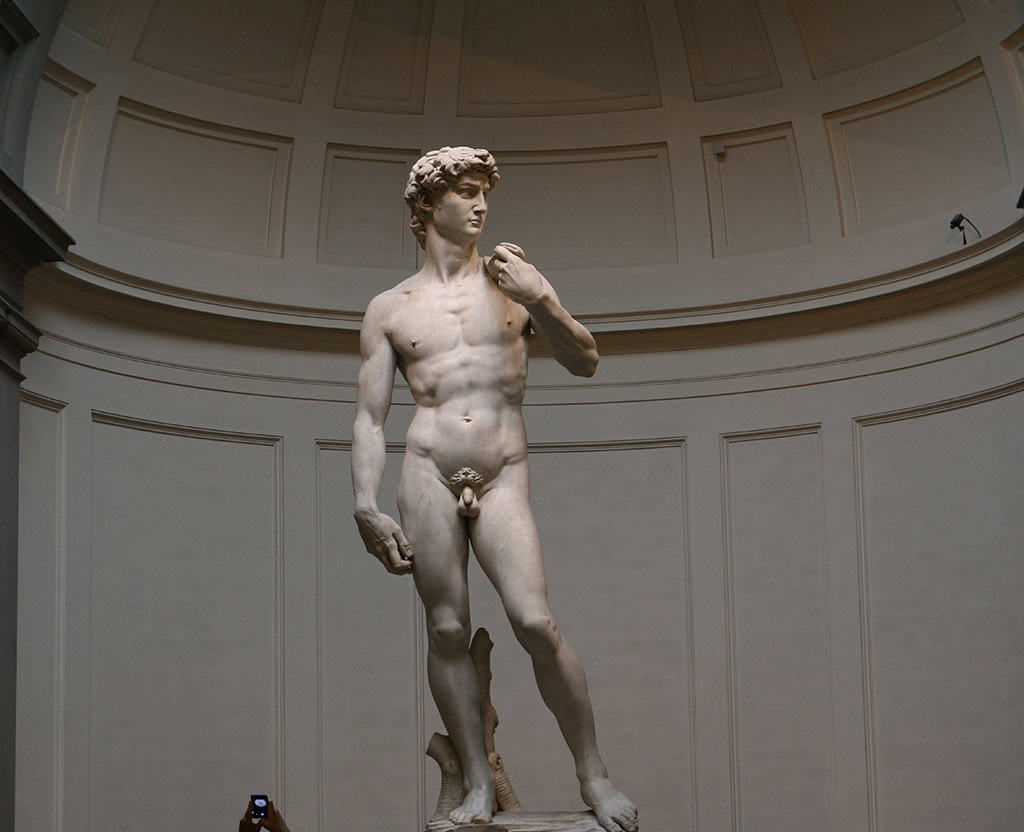
How VR can be used to enhance travelling exhibitions
VR can provide a sense of presence that allows the visitor to experience being in another location, time or body with great detail. The technology is used by many museums and galleries as part of their exhibitions. For example, at the National Museum of Scotland visitors have been able to go on a virtual tour around historic sites like Skara Brae (a neolithic village) using VR headsets for an immersive cultural experience. Another interesting use case was when American artist Doug Aitken created his 360° video project called “Song” which allowed people from all over the world to feel present during global events such as music concerts or political conventions (this could be particularly useful if you are interested in politics). Some experts believe this type of approach will be the future of travelling exhibitions.
The use of virtual reality (VR) in the cultural sector is not new, but it can bring added value to travelling exhibitions. Companies like SFX Entertainment are paving the way for this technology’s implementation into all types of exhibition settings.
One key aspect that makes VR especially interesting when used with traveling exhibits is its ability to engage users on a deeper level than traditional museum displays by immersing them within an experience instead of simply observing one through glass or behind bars. This allows visitors to walk alongside dinosaurs in prehistoric times and interact with objects using their hands—a unique demonstration impossible without today’s state-of-the art technologies . Further down the road, curators hope these same technological advancements will allow viewers at home who have purchased a VR headset to have access to these same immersive experiences as well.
The value of a 3D virtual version of a travelling exhibition
A virtual version of a travelling exhibition can be used as an additional resource to those who cannot physically visit the original. For example, you could have created at home and still explore it from your computer or smartphone if you’re unable to travel for some reason. This is especially useful in locations where there may not be enough interest in attending that would justify setting up a permanent exhibition space so many people are able see it even though they might never have traveled before.
Creating virtual versions of traveling exhibits can also allow more people to explore them in a way that is easier and cheaper than travelling. For example, it might be difficult for some people who are disabled or elderly to travel physically so they would not be able to experience the exhibition without creating a digital version. This could make exhibitions accessible to everyone no matter their needs which is something we should all strive towards if possible because art and culture plays such an important role in telling our stories and adding value even when telling your story may not come naturally. By making these experiences available online, we’re introducing new audiences from around the world into different cultures by showing off what we love best; our artwork, history, heritage etc.
Conclusion
Traveling exhibitions are meant to bring the best of what a particular culture has to offer beyond its borders. VR will allow for an even greater connection with people who would otherwise never get the chance see these exhibits in person because they don’t live nearby or can’t afford airfare and lodging. As technology continues to evolve, it is easy to imagine that one day this type of learning experience will be accessible worldwide.

